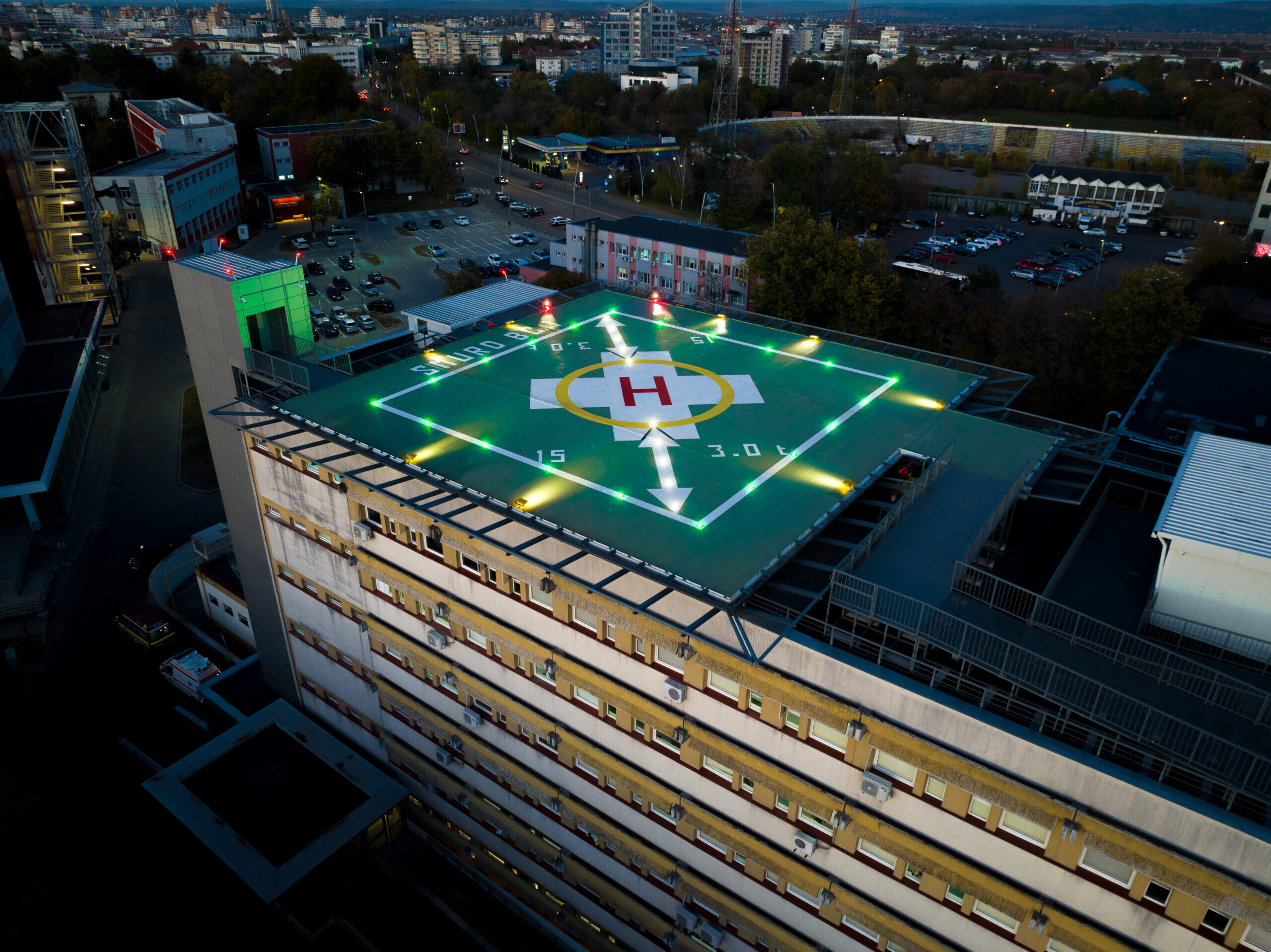
In the realm of Helicopter Emergency Medical Services (HEMS), time is the most critical currency. For hospital administrators, specialized constructors, and aviation distributors, ensuring that a hospital heliport is operational 24/7 is not just a regulatory requirement—it is a lifesaving necessity.
At Signalight, we understand that equipping a medical facility for night operations requires more than just standard illumination; it demands a comprehensive, fail-safe heliport lighting ecosystem designed for high-pressure environments.
The unique demands of a hospital helipad
A hospital helipad differs significantly from standard commercial infrastructure. Often located in dense urban environments or on rooftops adjacent to emergency departments, these landing sites pose unique challenges.
Pilots transporting critical patients operate under immense stress. Therefore, the visual guidance provided by the helicopter pad lighting must be instantaneous and unambiguous. There is no margin for equipment failure during a critical approach.
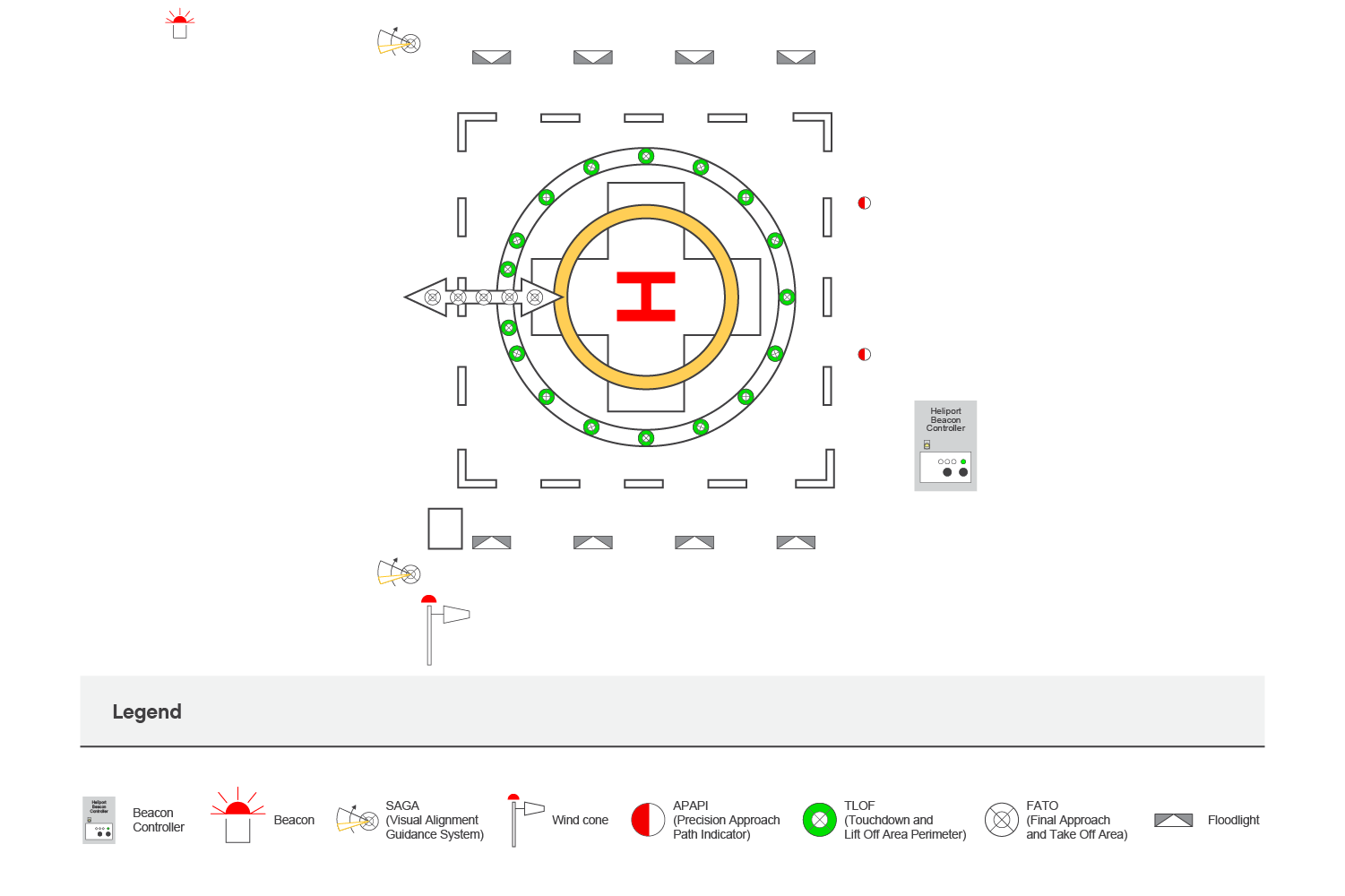
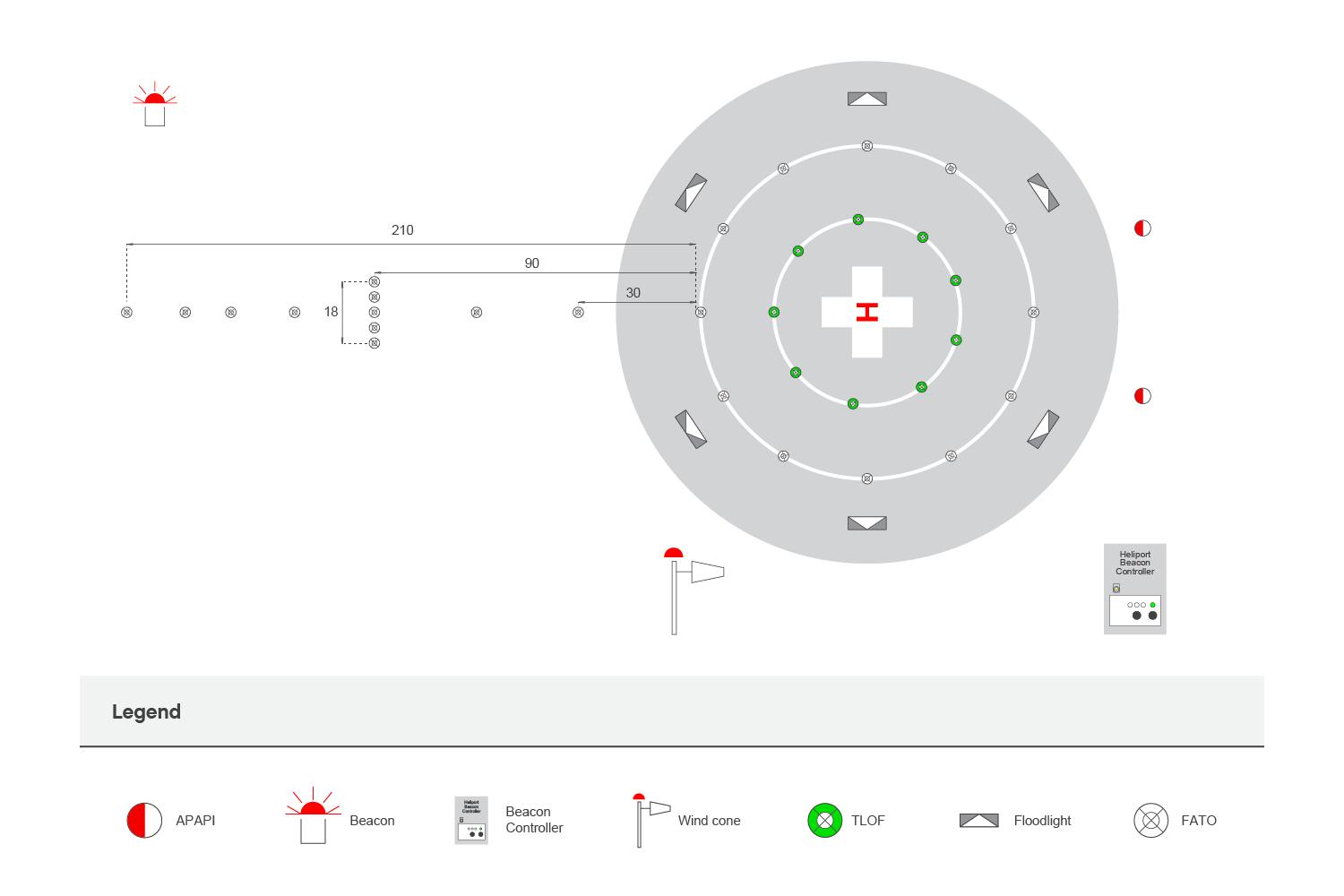
Below you can see the lighting system schema for an elevated medical heliport (the first image) and a ground medical heliport (the second image):
Decoding the technical requirements: FATO and TLOF
A compliant heliport lighting system centers on clearly defining distinct zones that guide the pilot during the final phase of flight.
- Heliport FATO (Final Approach and Take-Off area): this boundary must be clearly illuminated to define the available safe maneuvering space. This is typically achieved using a robust heliport perimeter light, usually white, which provides the primary visual cue for the pilot.
- Heliport TLOF (Touchdown and Lift-Off area): located within the FATO, this is the load-bearing area where the helicopter actually lands. The heliport TLOF requires distinct lighting, usually green, to differentiate it from the surroundings.
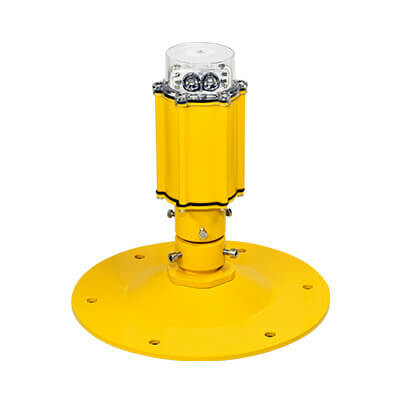 Elevated FATO Heliport Light
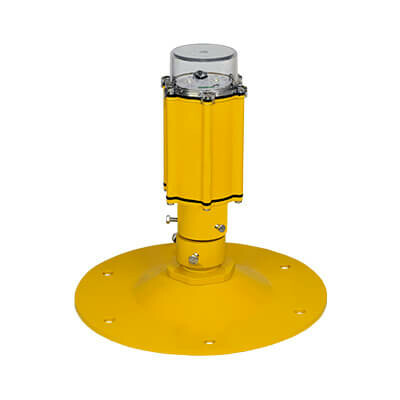 Elevated TLOF Heliport Light
Building a complete safety ecosystem
At Signalight, we design our systems to address every angle of approach and surface condition. Beyond the basic perimeter, a fully operational medical pad requires a suite of integrated technologies.
Surface and approach visibility
For the touchdown area, especially on concrete or elevated decks where protrusion must be minimized, we recommend high-performance heliport inset lights. For locations where drilling deep into the surface is problematic, our ultra-thin heliport flat lights offer a perfect alternative, ensuring safety without compromising the structural integrity of the roof.
 Inset FATO / Aiming heliport light
 Flat FATO / Aiming heliport light
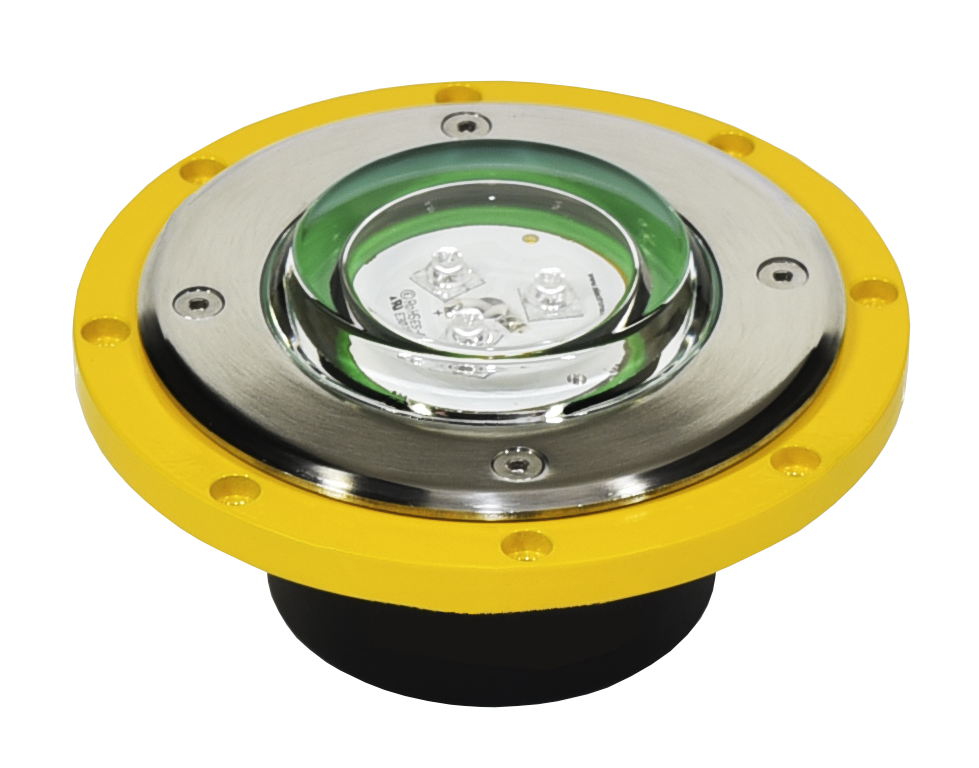 Inset TLOF heliport light
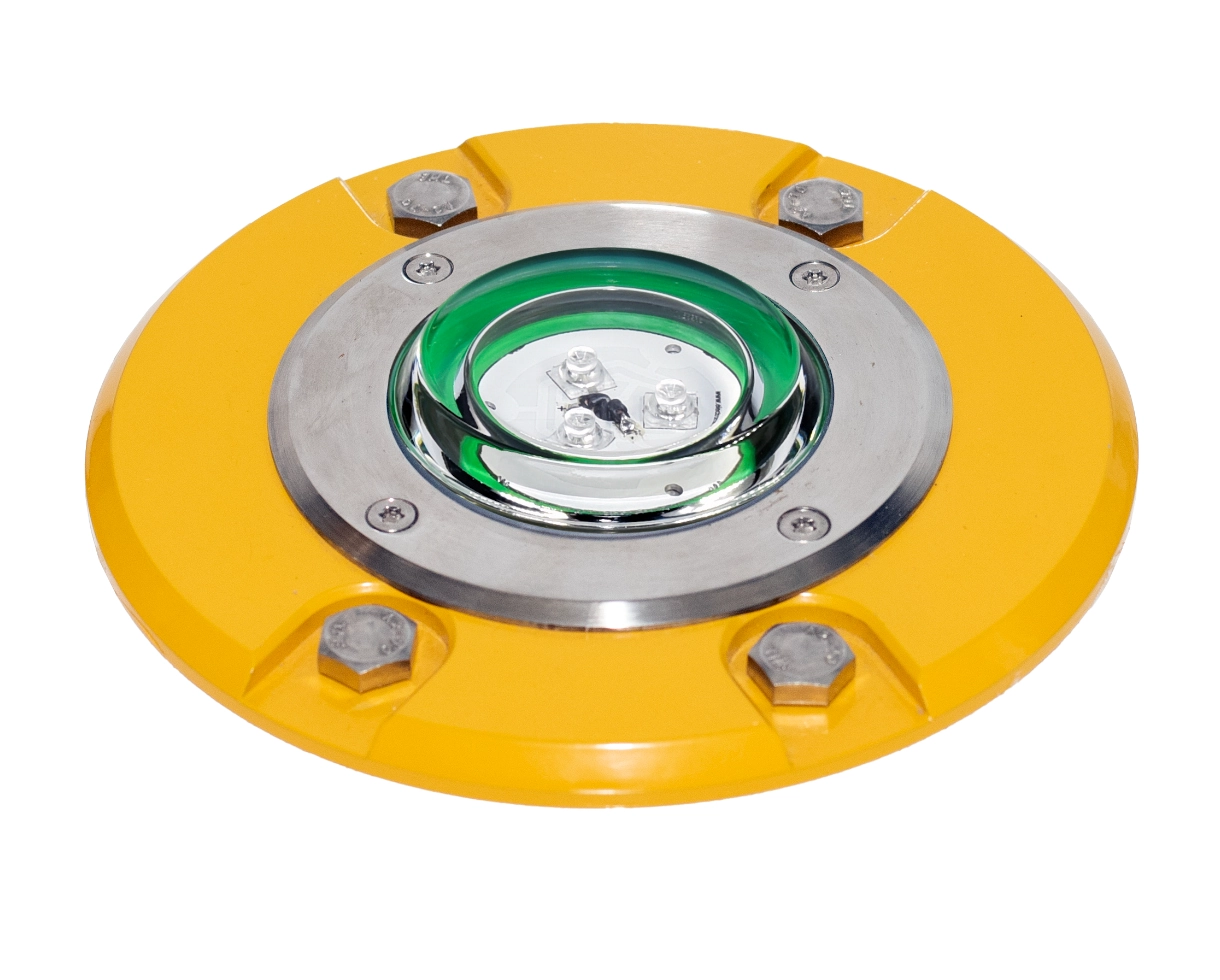 Flat TLOF heliport light
To provide depth perception and illuminate the surface texture during the final hover, powerful heliport floodlights are installed to wash the deck with light without blinding the pilot.
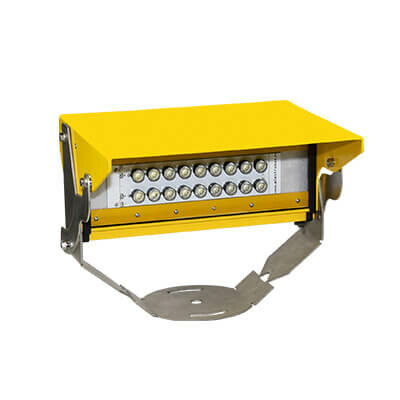 Heliport Floodlight Projector 60W
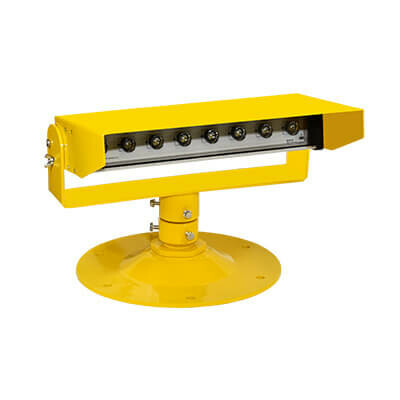 Heliport Floodlight Projector 20W
Guidance and control
Standard hospital helipad markings are often insufficient in poor weather. To ensure the correct approach angle, we implement advanced heliport guidance systems, such as wind direction indicators, HAPI (Helicopter Approach Path Indicator) and heliport beacon units.
 Helicopter Approach Path Indicator – HAPI
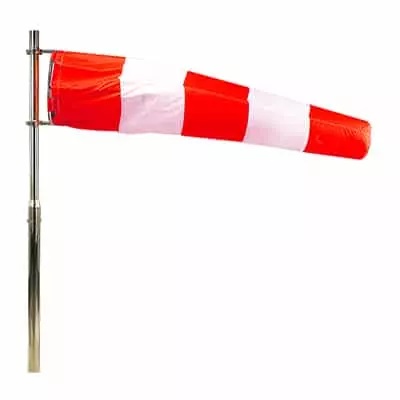 Wind Direction Indicator
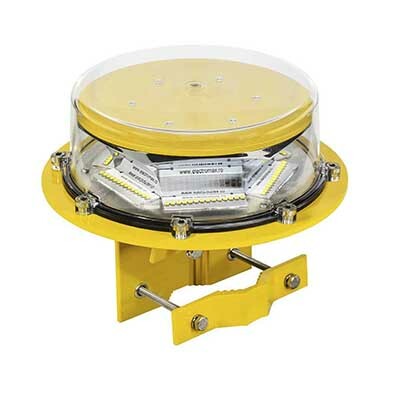 Heliport Beacon
Managing this complex array of lights requires reliability. Our smart heliport controllers allow for seamless intensity adjustment and system monitoring, ensuring that the lights are always at the optimal brightness for the conditions.
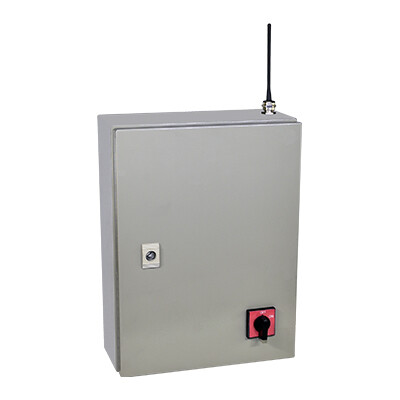 Air-to-Ground Radio Receiver
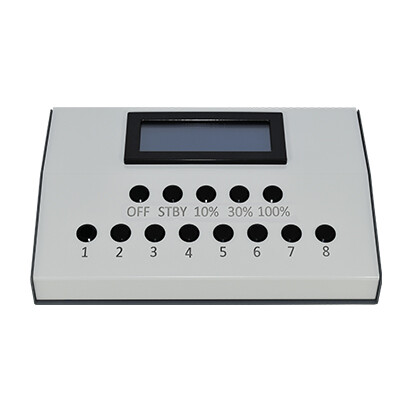 Console Controller for Heliport
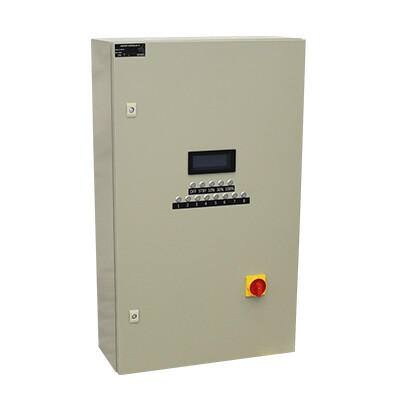 Heliport Lights Controller V3
Flexibility for every scenario
Not all medical transfers happen at permanent super-structures. For temporary landing zones or emergency setups, Signalight also provides rapidly deployable portable helipad lighting. These battery-powered units ensure that HEMS access is possible even in remote locations or during power grid failures.
Visualizing the solution: elevated heliport simulation
Understanding the complexity of a lighting system is best achieved through visualization. For one of our romanian projects, the lighting system for M. Ciuc Hospital Heliport, we simulated the lighting and guiding system. This simulation shows an elevated heliport lighting system in action, demonstrating FATO, TLOF, and guidance lighting integration.
A global portfolio: Signalight in action
Developing a medical heliport requires a partner who understands both technical regulations and operational realities. Our commitment to engineering excellence is demonstrated in critical HEMS infrastructure projects globally.
Specialized HEMS Air Bases
Air ambulance bases require robust systems capable of withstanding frequent, high-intensity operations. Our expertise in this niche is proven by our work on major hubs in Europe:
International Medical Centers & Trauma Hospitals
From the UK to South America, Signalight has adapted its technology to diverse climates and architectural constraints. Whether upgrading existing historic hospitals or outfitting new buildings, we ensure ICAO compliance worldwide:
Major Emergency Hospitals in Romania
As a company with deep roots in Romania, we have been the partner of choice for the country’s most critical emergency infrastructure upgrades. We understand the local specificities and construction standards intimately:
A well-lit HEMS facility is an investment in patient safety. By choosing Signalight, you are selecting a partner dedicated to technical precision, durability, and a proven track record across dozens of international projects.
Ensure your medical facility is ready for any mission. Discover our full portfolio of Signalight products to view all technical specifications or contact us today to discuss your project.