| Material | Select... |
| Model | Select... |
| Intensity | Select... |
| LEDs Color | Select... |
| Infrared | Select... |
| Toe-In | Select... |
| Photocell | Select... |
| Radio | Select... |
| Charging options | Select... |
|
|
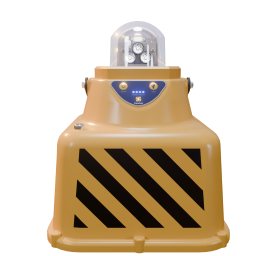
Polycarbonate material - POLARIS first generation - body made of Polycarbonate - lead acid battery of 12 V/12 A - large case, more stable and heavy - bigger autonomy - better for portable/emergency light |
|
|
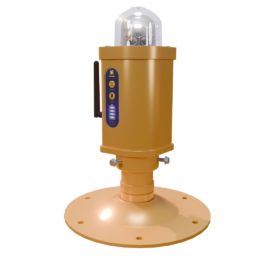
Aluminum material - POLARIS second generation - body made of aluminum - NiMh battery pack of 12 V/2,7 A - compact version - better for permanent systems, in combination with solar charging |
|
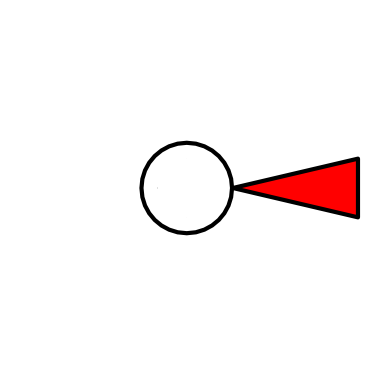
Runway END - directional RED light |
|
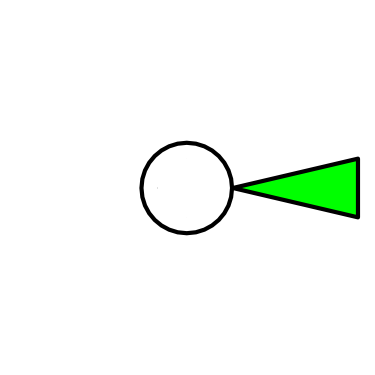
Threshold Wing - directional GREEN light |
|
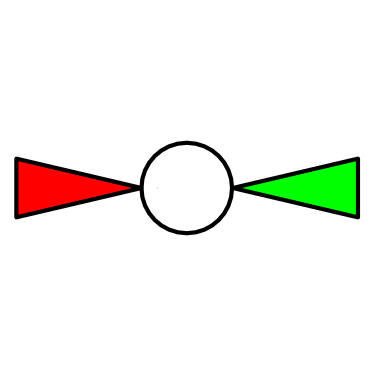
Threshold End - directional GREEN light - directional RED light |
|
Approach - directional WHITE light |
|
Runway Edge - directional WHITE - directional WHITE or YELLOW or RED - omnidirectional white for circling maneuver |
|
Taxiway - omnidirectional BLUE, 2 cd |
|
Emergency (RGBW) - omnidirectional Red, 10 cd or - omnidirectional Green, 50 cd or - omnidirectional Blue, 2 cd or - omnidirecional White, 50 cd |
|
Unservicability - omnidirectional Red, 2 cd |
|
LOW Intensity - equivalent to 10 % of the ICAO brightness - recommended for VFR - recommended for non-precision approach or non-instrumental runway |
|
MEDIUM Intensity - equivalent to 30 % of the ICAO brightness - recommended for VFR - recommended for non-precision approach or non-instrumental runway |
|
HIGH Intensity - equivalent to 100 % of the ICAO brightness - recommended for any airport VFR or IFR |
|
Red |
|
Red Omnidirectional |
|
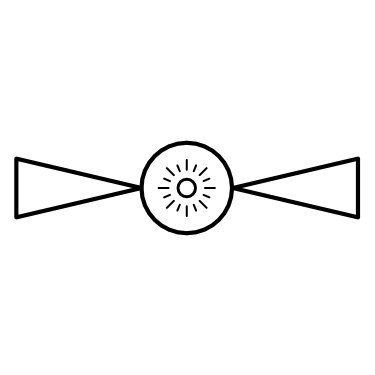
White/White |
|
Red/Green |
|
Green |
|
Blue Omnidirectional |
|
Red or Green or Blue or White Omnidirectional |
|
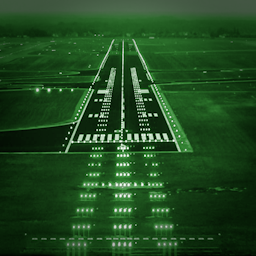
Infrared LED - used for NVG |
|
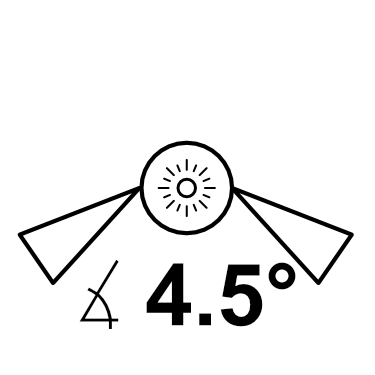
Toe in 4,5 dgr - for runways 60 m wide |
|
Toe in 3,5 dgr - for runways 45 m wide |
|
Photocell - the lamps can work standalone just during the night |
|
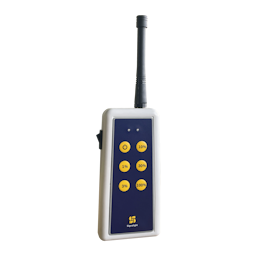
Radio Included (one-way communication) - the lights can be controlled from a hand-held remote control |
|
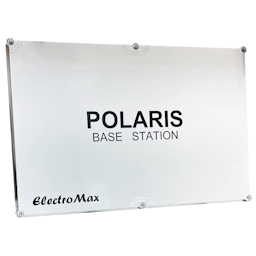
Radio Included (two-way communication) - the lights can be controlled using the base station and POLARIS application - this is the most complex version of communication when the lamps are sending feedback periodically - the lamps also include GPS, temperature sensor, light sensor, battery monitoring, etc
|
|
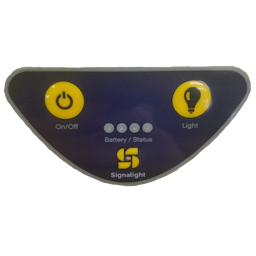
Radio not Included - the lights can be controlled by local buttons - if the light sensor is included, the lamps can work on the base of the photocell
|
|
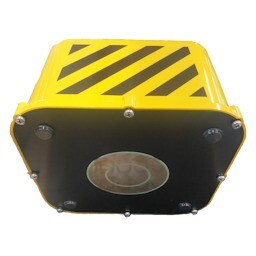
Charging Pads - Golded pads on the bottom of the lights - charging can be made in Drop-In chargers |
|
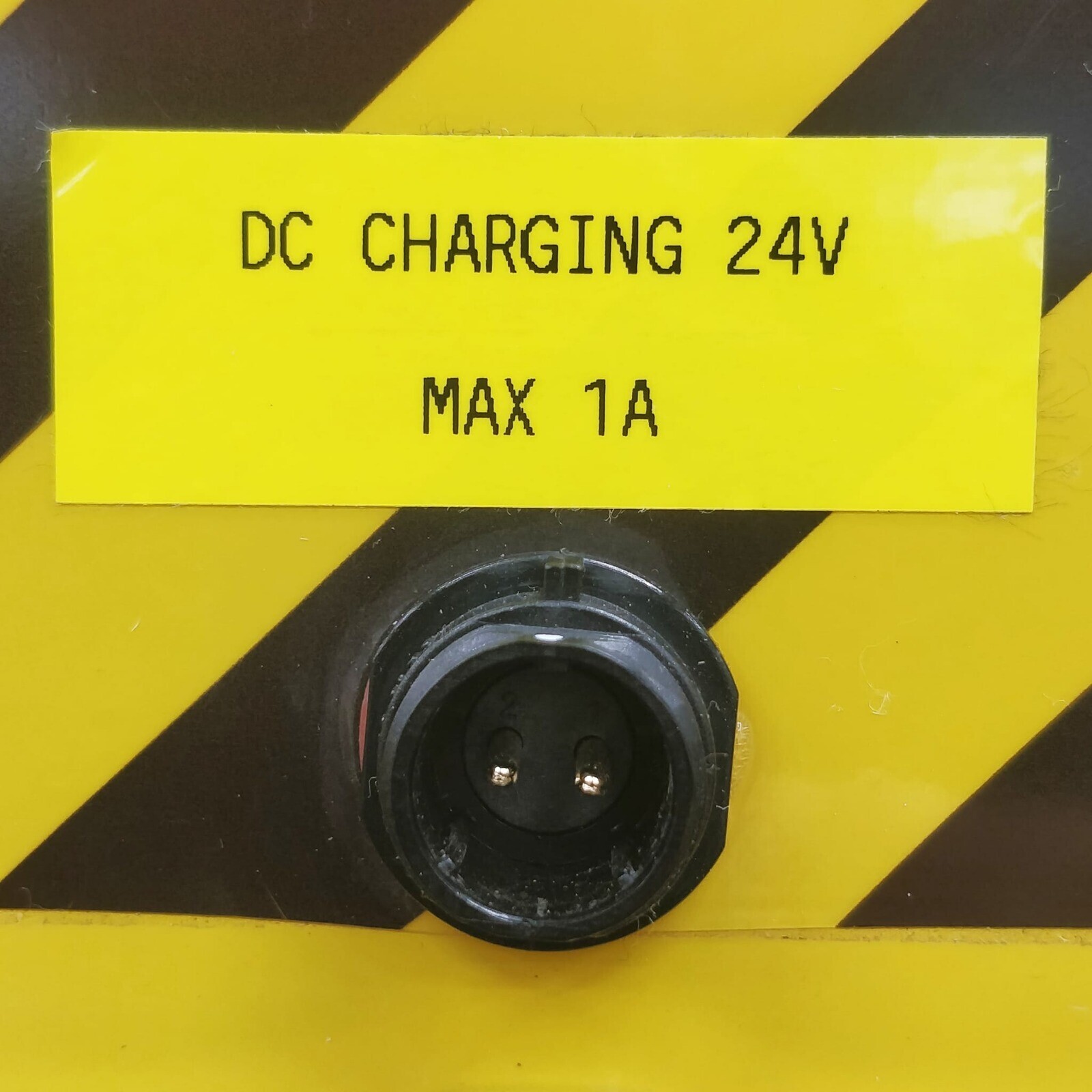
DC Charging - Through a DC connector, the lamps can be charged from a solar panel or chargers, through a cable |
|
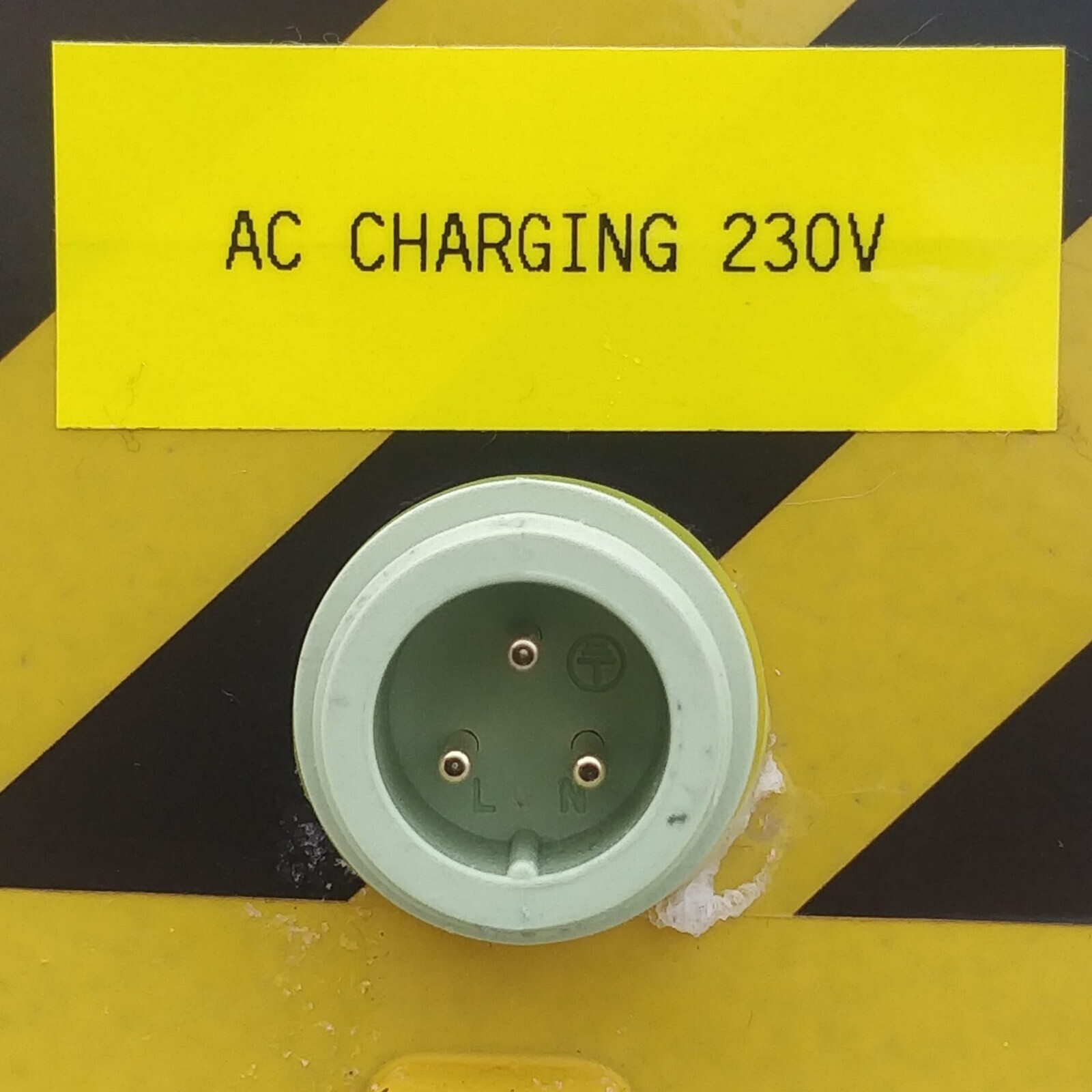
AC Charging - Through an AC connector, the lamps can be charged from 230 VAC - Built-in charger |
|
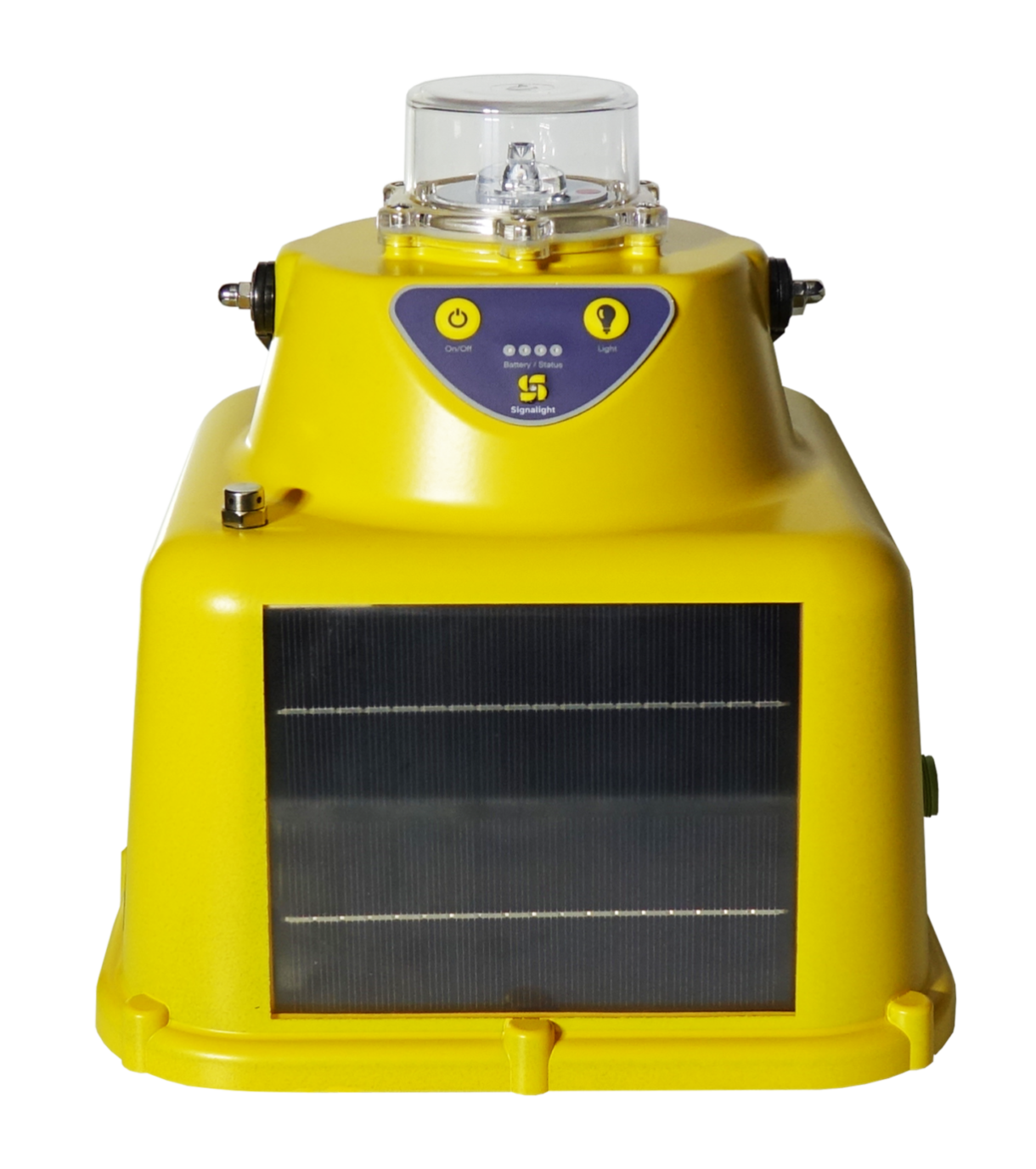
Built In Solar Charger - 2 W solar charger |